Global Energy Storage Market Trends for 2026
From 5MWh containers and liquid cooling to AI-driven EMS — the shifts shaping procurement decisions this year.

Global Energy Storage Market Trends for 2026
In the wave of global energy transition, energy storage systems (ESS) serve as a key support for renewable energy grid connection, and their market size continues to compound at an annual rate of over 30%. In 2026, four core trends will profoundly influence procurement decisions in the energy storage industry and reshape the industrial landscape:
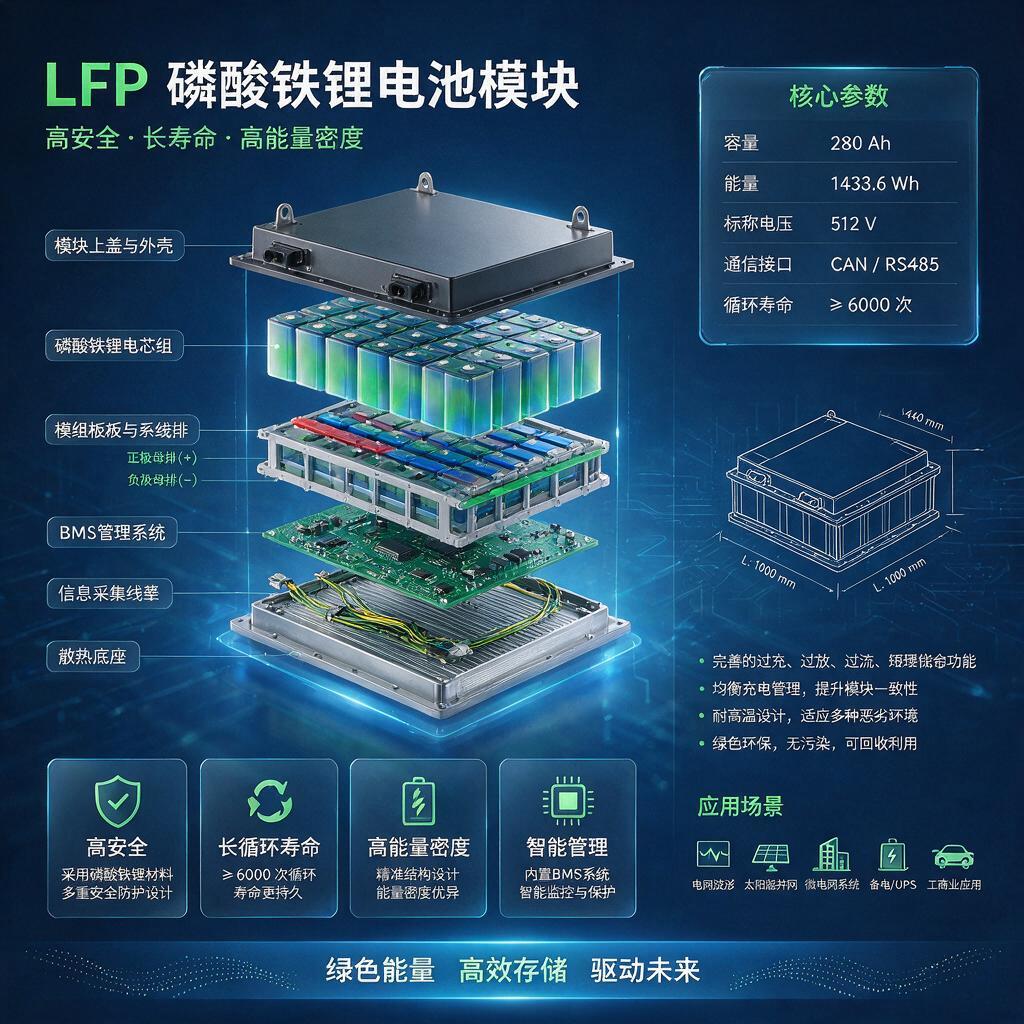
1. LFP Lithium Iron Phosphate Batteries Dominate Absolutely
Lithium Iron Phosphate (LFP) batteries, with advantages of high safety, long cycle life and cost-effectiveness, have become the absolute main force in stationary energy storage orders. Compared with traditional ternary lithium batteries, LFP batteries can increase the cycle life by 2-3 times and have no risk of thermal runaway, especially suitable for large-scale power stations and commercial & industrial energy storage scenarios.
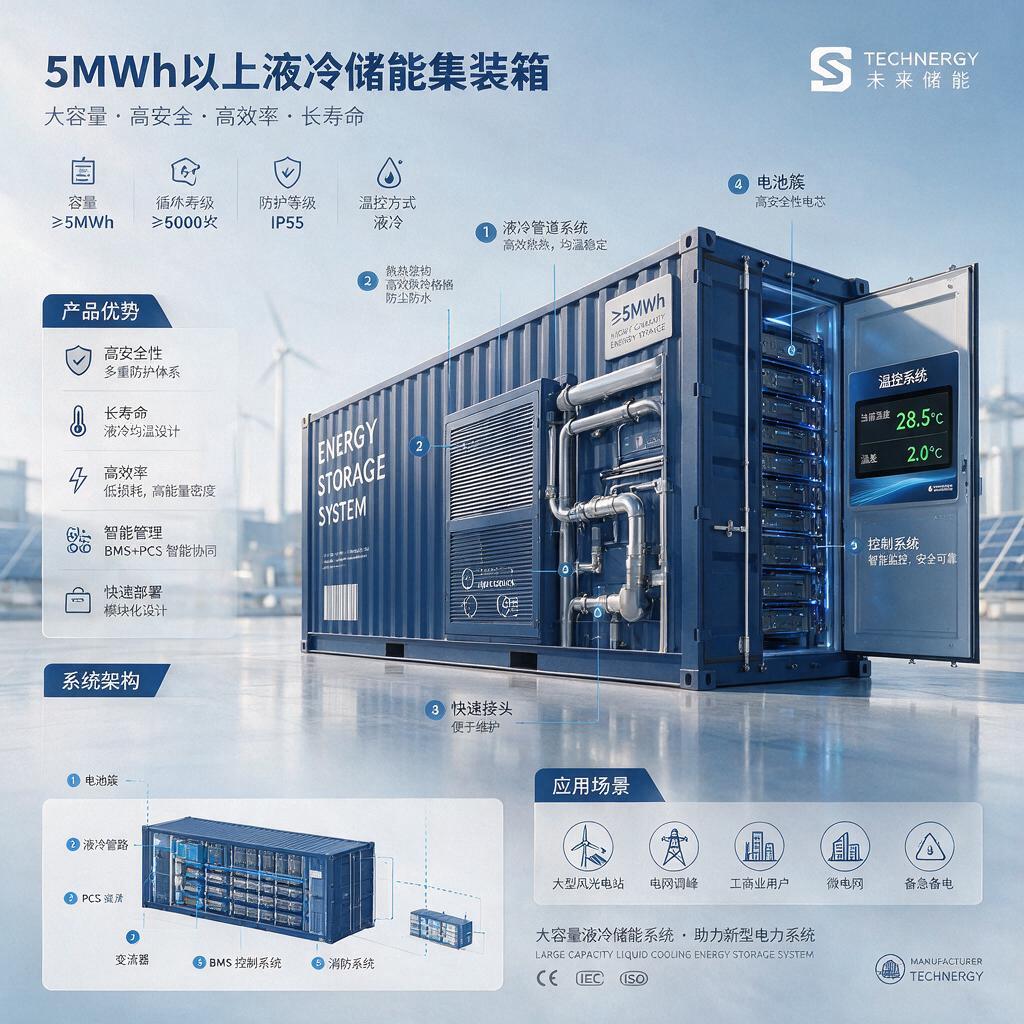
2. 5MWh+ Liquid-cooled Containers Become Standard Configuration
Liquid cooling technology is gradually replacing air cooling and becoming the standard solution for commercial & industrial (C&I) and utility energy storage systems. The 5MWh+ liquid-cooled containers, through precise temperature control, can stabilize the operating temperature of the battery pack at 25-35℃, which not only improves the battery life but also reduces the floor area and maintenance cost of the system.
3. AI-driven Energy Management Systems (EMS) Become Popular
AI-enabled EMS platforms can optimize charge and discharge strategies through real-time data analysis, helping energy storage systems reduce operational costs by 15%-25%. For example, combined with grid peak-valley electricity prices and renewable energy output prediction, AI algorithms can automatically adjust the charge and discharge plans of energy storage to maximize economic benefits.
4. Procurement Model Shifts to Long-term Factory Cooperation
The traditional spot purchasing model is being phased out, and more and more buyers are choosing to establish long-term cooperative relationships with energy storage factories. This model can not only shorten the delivery cycle but also lock in production capacity to ensure the smooth landing of projects, while obtaining more stable product quality and technical support.
To get the full specification sheet, test reports and free samples, please contact our team and we will provide you with a detailed customized solution.